Will AI replace chemists?
Will AI replace chemists?
I get asked this often and I ask myself more often. The honest answer is less comfortable than either side of the usual argument.
Start with what's safe, because it's safer than people think.
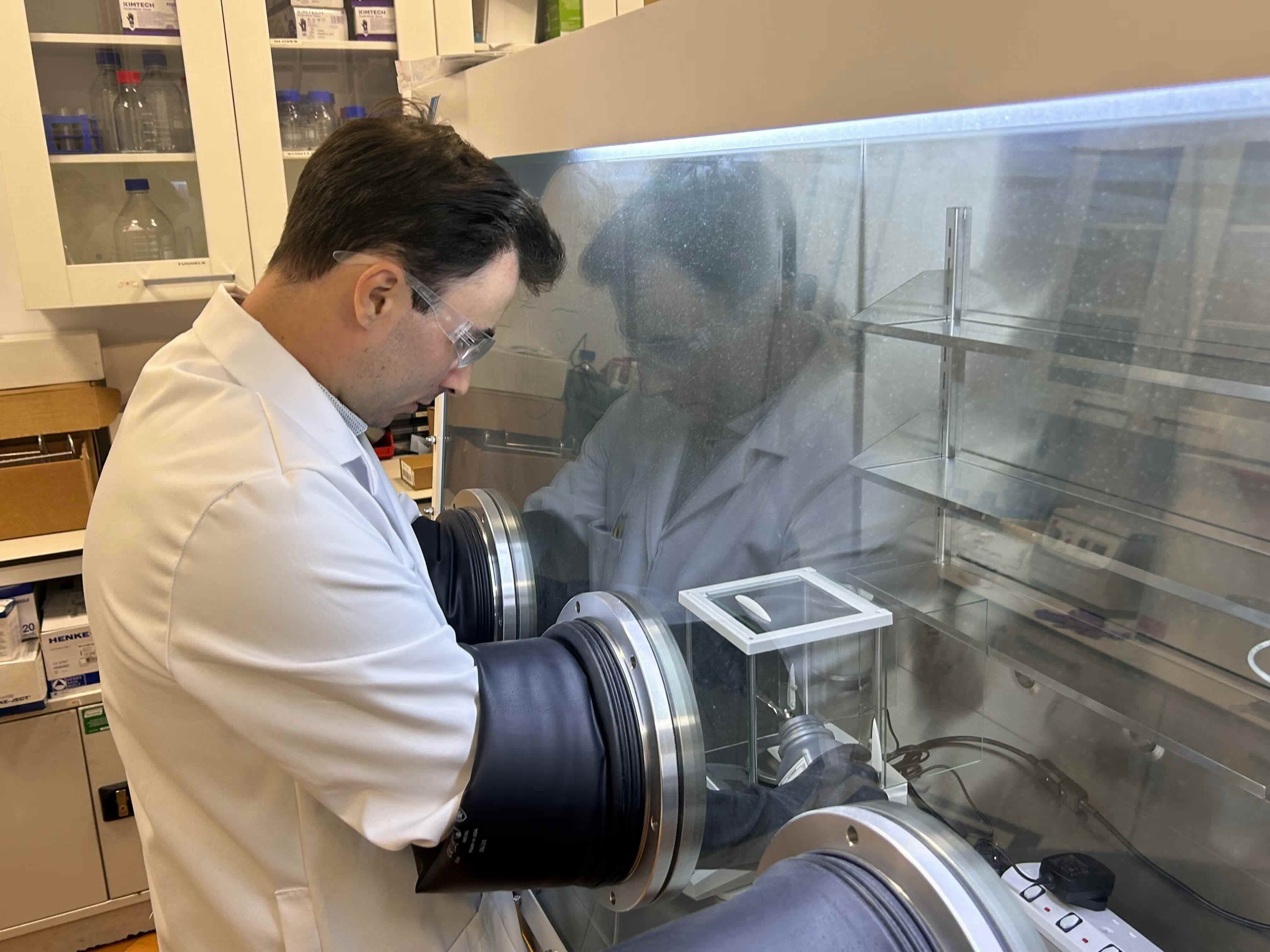
The fully automated lab is further away than the demos suggest. Not because the chemistry is unknowable, but because it's a robotics problem, and robotics is hard. A chemist looks at a flask, sees a solid, filters it, washes it, dries it, redissolves it, and moves on without consciously deciding anything. Every one of those steps is a judgment about a physical state, made in a second. Today's systems do this well in narrow, highly specified cases and poorly outside them.
Now the part people don't want to hear.
The work that shrinks first isn't benchwork. It's everything around it. Consolidating data. Searching the literature. Assembling a hypothesis. Ranking research questions by likely impact. Writing the report at the end. Predicting conditions and navigating a large parameter space are already done better by algorithms than by hand.
Look at that list again. None of it is chemistry. All of it is the work junior chemists were traditionally given.
That's how judgment got built. You learned what mattered by reading forty papers and discovering that thirty-six were irrelevant. You learned to rank hypotheses by ranking them badly and finding out later.
So I don't think chemists get replaced. I think the ladder gets shorter while the top rungs stay exactly where they are. The industry will still need people who can tell when a result is wrong, and it will have automated away the apprenticeship that produced them.
We build these tools. We think they're worth building. But we need to find a way to make sure the next generation of chemists still develops the judgment this work used to teach.
If you're a chemist who started in the last five years, have you also spotted this trend?