
Most startups don't die from competition. They die from the founding team breaking apart.
Which makes choosing a co-founder the highest-stakes decision you'll make, and most people spend less time on it than they would on choosing the office coffee machine.
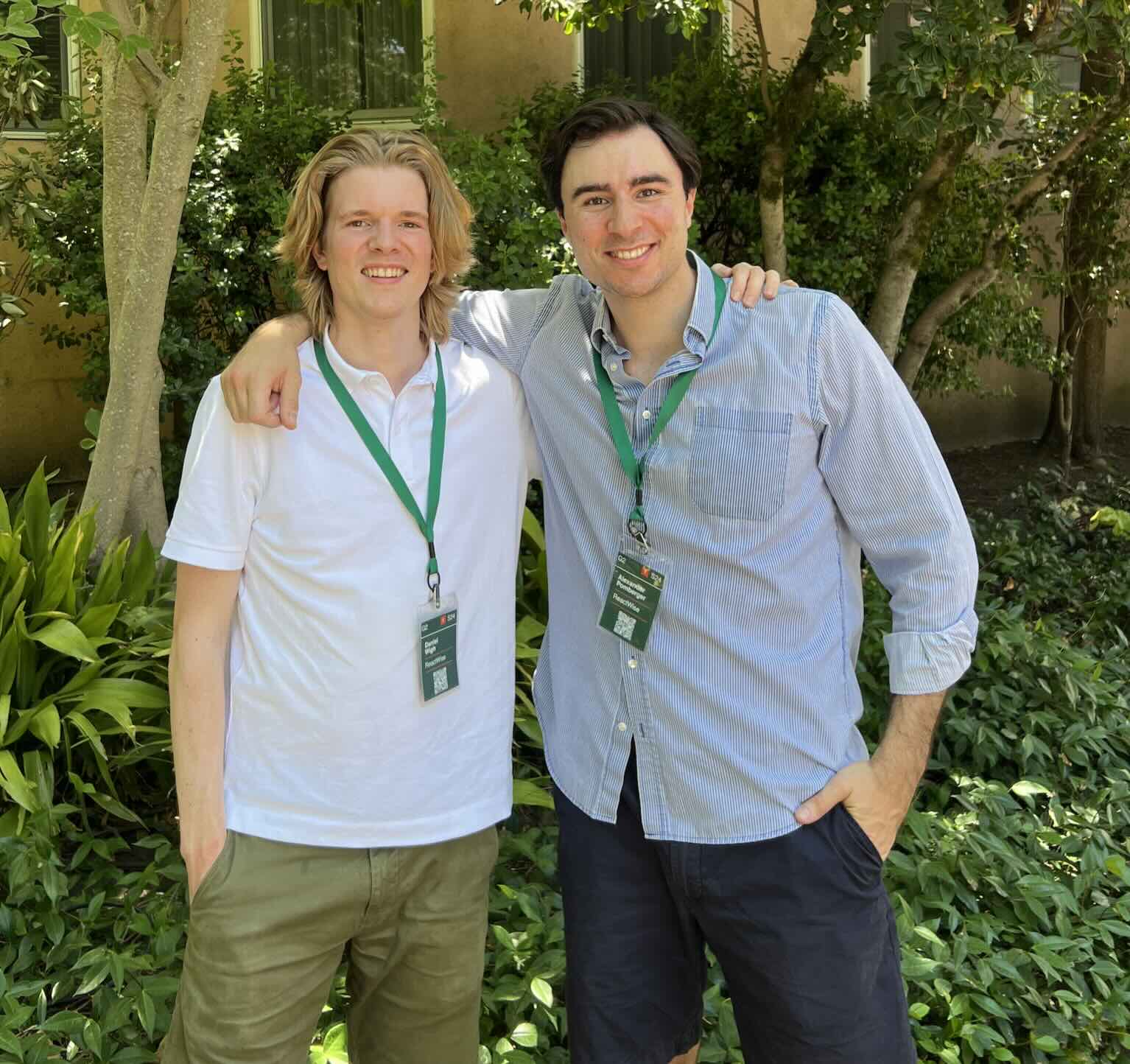
Luckily, @Daniel Wigh and I had one advantage going in: we'd already worked together through our PhDs at Cambridge, on real problems, over years.
By the time we started @ReactWise we knew each other's strengths and weaknesses, and how the other person behaved when something wasn't working. That last one matters more than people expect. Stress reveals things a coffee chat never will, and you want to have seen it before there's a company depending on it.
We also had a serious conversation before we started, seriously committing with no fallback plan running quietly in the background. That discussion is uncomfortable to have, which is exactly why most people skip it and find out eighteen months later.
If I were giving anyone advice, it would be four things:
None of this guarantees anything. But most co-founder breakups I've heard about trace back to not really knowing the person, or to a conversation that never happened. Both of those are avoidable.