
Imagine a chemist from 1950 walking into a modern pharmaceutical R&D lab.
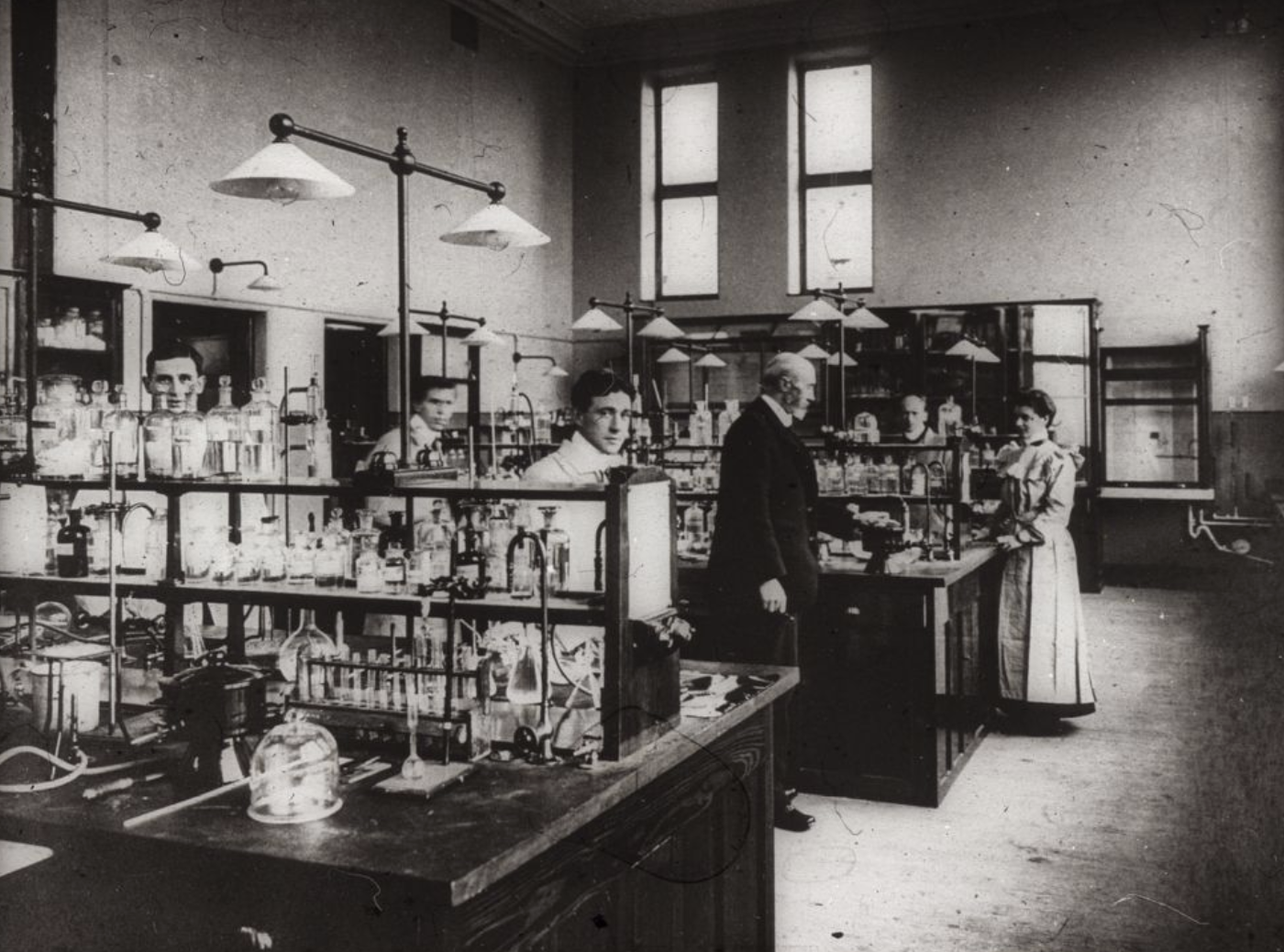
Imagine a chemist from 1950 walking into a modern pharmaceutical R&D lab.
The first thing that would stop them in their tracks might not be the robots or the screens.
It would be the notebooks. Or rather - the absence of them.
In 1950, a chemist's notebook was sacred. Every observation recorded. Every anomaly noted. The color of the precipitate. The smell before and after addition. The exact sequence of every step. Because they understood that chemistry lives in the details, and details forgotten are experiments wasted.
Walk into many labs today and you'll find something different. Terabytes of analytical data. Thousands of HPLC traces. Hundreds of optimization runs. But sometimes none of the contextual observations that would tell you what was actually happening.
We got faster. We got more data than any generation of chemists in history.
And somewhere along the way, we stopped writing things down.
It's not that chemists stopped caring. It's that the tools rewarded speed over context, and nobody built a place for the observation to go.
The irony is that everything that made those old lab notebooks so valuable - the narrative, the context, the human observation - is exactly what modern AI needs to be truly powerful.
The order of addition. The lot number of the catalyst. The note that says "mixture turned slightly yellow upon addition."
That sentence carries more chemical meaning than most datasets ever capture.
The chemists who built this industry knew that today's observation is tomorrow's insight. At @ReactWise, we're building the infrastructure to make sure that knowledge never gets lost again - and can be used for understanding chemistry better.
The best of what came before. Powered by what's possible now.